
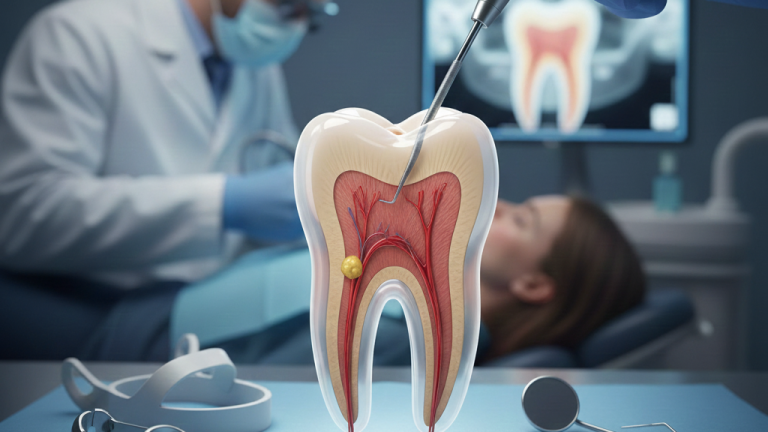
When it comes to dental treatments, few procedures spark fear and confusion like the root canal. Many people imagine sharp tools, unbearable pain, and a long recovery period. But here’s the truth: modern root canal treatment is nothing like the myths you’ve heard. Thanks to advanced dental technology, better anaesthesia, and refined techniques, today’s root canal procedures are safer, faster, and far more comfortable.
If you’ve ever delayed a dental visit because you fear needing a root canal, this guide will help you separate myth from modern reality-and finally understand why root canals may actually save your smile.
Myth 1: Root canals are extremely painful.
Modern Reality: Today, root canals are no more uncomfortable than a regular filling.
Pain is the biggest misconception fueling root canal anxiety. Decades ago, limited anaesthetics and outdated tools made the procedure uncomfortable. But modern dentistry has evolved dramatically.
Advanced local anaesthesia, rotary endodontics, microscopic precision, and digital imaging allow dentists to treat infected teeth with minimal discomfort and maximum accuracy. In many cases, patients feel immediate relief because the procedure removes the source of severe tooth pain-the infection.
Myth 2: It’s better to pull the tooth than get a root canal.
Modern Reality: Saving your natural tooth is almost always the best option.
Tooth extraction may seem easier, but removing a tooth leads to long-term issues like shifting teeth, bone loss, aesthetic changes, and expensive restorative treatments.
A root canal, on the other hand, preserves your natural tooth structure, preventing future dental complications and maintaining a healthy bite.
Think of a root canal as giving your tooth a second chance-long-lasting, functional, and strong.
Myth 3: Root canals cause illness.
Modern Reality: This outdated belief has been scientifically disproven.
The myth that root canals cause diseases originated from century-old research that is no longer valid. Modern evidence strongly confirms that root canal therapy is safe, sterile, and effective. The infection inside the tooth is removed, and the tooth is sealed to prevent reinfection.
Root canals help improve oral health and, by extension, your overall health-not harm it.
Myth 4: The procedure takes several appointments.
Modern Reality: Most root canals are completed in one visit.
Thanks to digital imaging, electric apex locators, and high-precision equipment, many dentists can complete the entire root canal procedure in a single appointment. The process is streamlined, efficient, and tailored to reduce chair time while improving accuracy.
You walk in with discomfort and walk out with relief-often on the same day.
Myth 5: Root canals don’t last long.
Modern Reality: With proper care, root-canal-treated teeth can last a lifetime.
A root-canal-treated tooth that receives a proper crown and regular dental check-ups can last just as long as your natural teeth. The key is protecting the tooth with a well-fitted dental crown to enhance strength and function.
Long-term success rates for modern root canal therapy are extremely high, making it a predictable and durable solution.
What Actually Happens During a Root Canal?
Here’s a simple, curiosity-driven breakdown of the procedure:
- Numbing the area – Your dentist ensures you’re completely comfortable.
- Creating a small opening – To access the infected pulp.
- Cleaning the infection – Using advanced instruments to remove bacteria and damaged tissue.
- Shaping and disinfecting the canals – Ensuring no infection remains.
- Filling and sealing the tooth – Using a biocompatible material called gutta-percha.
- Placing a crown – To restore strength and protect the tooth long-term.
The entire process is meticulous yet surprisingly comfortable.
How Technology Has Transformed Root Canal Treatment
If root canals have intimidated you in the past, modern tools might change your mind:
- Digital X-rays for clear, precise imaging
- Dental microscopes for enhanced visibility
- Rotary endodontics for faster, smoother cleaning
- Laser dentistry for advanced disinfection
These innovations make the procedure more predictable, painless, and efficient.
When Do You Actually Need a Root Canal?
Watch for symptoms like:
- Persistent toothache
- Sensitivity to hot or cold
- Swelling or tenderness
- Darkened tooth colour
- Gum abscess or pimple-like bump
Ignoring the signs can lead to severe pain or tooth loss. A root canal may be the procedure that prevents the problem from escalating.
The Bottom Line: Modern Root Canals Aren’t Something to Fear-They’re Something to Appreciate
From eliminating pain to saving natural teeth, root canals play a powerful role in preserving oral health. The myths are outdated, the fear is unnecessary, and the benefits are backed by modern science and advanced dental technology.
If you’ve been avoiding the dentist because you fear the root canal experience, it’s time to revisit the truth:
Modern reality is far brighter, faster, and more comfortable than the myths ever suggested.