
Table of content
- Understanding Endodontics
- The Role of Implant Dentistry
- The Synergy between Endodontics and Implant Dentistry
- Treatment Outcomes
- Patient-Centered Care
- Long-Term Oral Health
- Conclusion
In the quest for optimal oral health and aesthetics, modern dentistry has evolved to incorporate specialized fields that work synergistically to achieve the best outcomes for patients. Among these fields, endodontics and implant dentistry stand out as critical components.
While endodontics focuses on preserving natural teeth through root canal therapy and other treatments, implant dentistry provides solutions for replacing missing teeth with prosthetics anchored to the jawbone. The integration of these disciplines can significantly enhance both the functional and aesthetic aspects of dental care.
Understanding Endodontics
Endodontics is the branch of dentistry that deals with the diagnosis and treatment of dental pulp and periradicular tissues. The primary goal is to save natural teeth that are at risk due to decay, infection, or injury. The most common procedure in endodontics is root canal therapy, which involves removing the infected or damaged pulp, cleaning and shaping the root canals, and sealing them to prevent further infection.
Root canal therapy has a high success rate and can often save teeth that might otherwise need to be extracted. By preserving the natural tooth structure, endodontics helps maintain the integrity of the dental arch and ensures that patients retain their natural bite and chewing efficiency.
The Role of Implant Dentistry
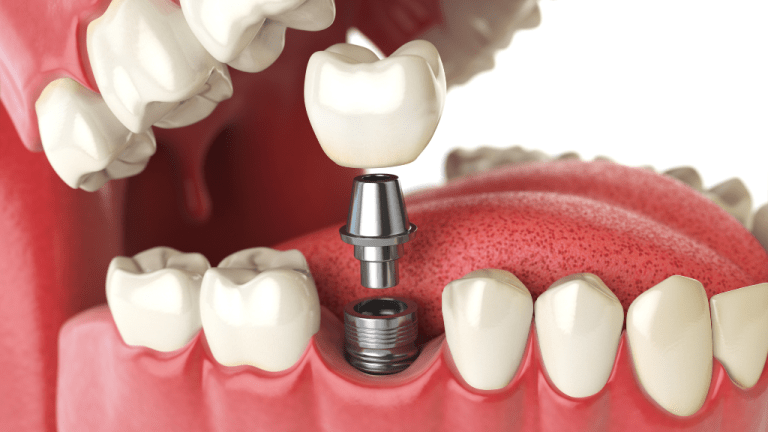
Implant dentistry, on the other hand, is concerned with the placement of dental implants—artificial tooth roots made of biocompatible materials like titanium. These implants are surgically placed into the jawbone and provide a stable foundation for prosthetic teeth such as crowns, bridges, or dentures. Dental implants are known for their durability, functionality, and natural appearance.
Implants not only restore the appearance of a natural smile but also play a crucial role in maintaining oral health. They prevent the bone loss that typically follows tooth extraction, preserve the structure of the jaw, and support the surrounding teeth.
The Synergy between Endodontics and Implant Dentistry
The synergy between endodontics and implant dentistry becomes evident when considering the comprehensive approach to patient care. Here are some key aspects of this synergy:
Decision-Making Process
When a tooth is damaged or infected, the first step is often to determine whether it can be saved through endodontic treatment or if extraction and replacement with an implant is the better option. This decision is based on factors such as the extent of damage, the health of the surrounding bone, and the patient’s overall oral health.
Collaboration between endodontists and implantologists ensures that the patient receives a thorough evaluation and a treatment plan tailored to their specific needs. This interdisciplinary approach can maximize the chances of a successful outcome.
Preservation vs. Replacement:
Endodontics aims to preserve natural teeth whenever possible. Saving a tooth through root canal therapy can maintain the natural alignment and function of the bite.
However, in cases where a tooth cannot be saved, implant dentistry offers a reliable alternative. Dental implants can replace the missing tooth without compromising the health of adjacent teeth, unlike traditional bridges which may require altering neighboring teeth for support.
Treatment Outcomes
The combination of endodontic treatment and implant dentistry can lead to superior long-term outcomes. For instance, a tooth that has undergone successful root canal therapy can later be crowned to restore its appearance and function.
If the tooth fails despite endodontic treatment, an implant can be placed to restore function and aesthetics. The prior endodontic treatment can facilitate the implant process by maintaining bone structure and health.
Patient-Centered Care
A patient-centered approach often involves a multidisciplinary team working together to provide the best possible care. This team may include endodontists, implantologists, prosthodontists, periodontists, and general dentists.
Such collaboration ensures that all aspects of the patient’s oral health are considered, from preserving natural teeth to replacing missing ones and enhancing aesthetics.
Benefits of the Synergistic Approach
Enhanced Aesthetics:
Both endodontic and implant treatments aim to restore and enhance the natural appearance of the teeth. Endodontic therapy can prevent discoloration and structural damage, while implants provide a natural-looking replacement for missing teeth.
Improved Functionality:
By addressing both the preservation and replacement of teeth, patients can achieve better chewing efficiency and speech. Implants, in particular, provide stability and support that are comparable to natural teeth.
Long-Term Oral Health
A holistic approach that combines endodontics and implant dentistry can prevent complications such as bone loss, shifting of adjacent teeth, and bite problems. This comprehensive care supports long-term oral health and reduces the risk of future dental issues.
Patient Satisfaction:
Patients benefit from a more personalized treatment plan that takes into account their unique needs and circumstances. This results in higher satisfaction rates and better overall experiences.
Conclusion
The synergy between endodontics and implant dentistry exemplifies the advancements in dental care that prioritize both the preservation of natural teeth and the effective replacement of missing ones. By integrating these specialized fields, dental professionals can offer comprehensive solutions that enhance oral health, functionality, and aesthetics.
This multidisciplinary approach not only addresses immediate dental issues but also promotes long-term well-being, ensuring that patients achieve and maintain optimal oral health. As dentistry continues to evolve, the collaboration between endodontics and implant dentistry will remain pivotal in providing high-quality, patient-centered care.
Instagram – @cheerdental_
Facebook – @Cheerdental